
"best roast chemistry"
300 article(s) found
Common sense of Fine Coffee beans Chemical composition of coffee
How many substances does a cup of coffee contain? Coffee extracted by traditional methods such as hand-brewing and Syphone contains more than 200 substances, while 1500 qualities can be extracted in an instant when using a Ruyi coffee machine and mocha pot. Unexpectedly, there are so many things in a cup of flavored water, the charm of coffee is made up of these substances. Coffee beans.
What is the difference between Yega Xuefei and washing? a brief introduction to the treatment of three major coffee beans
Professional coffee knowledge exchange more coffee bean information please follow the coffee workshop (Wechat official account cafe_style) front street-Yejia Xuefei Coffee, introduction to the three major treatment methods: the use of water washing and fermentation methods to remove the skin, pulp and mucous membrane, wash the coffee beans to be smooth and clean, after washing, the coffee beans are also wrapped in the inner pericarp, with a moisture content of up to 50%
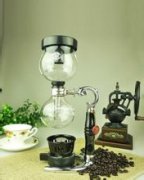
Analysis of equipment and usage of Coffee
Siphon pot (Syphon) siphon pot is one of the most popular coffee brewing methods in cafes. Principle: under the burning of alcohol lamp, when the water temperature in the lower container reaches 92 ℃, the water is sucked into the upper container with coffee powder, and after soaking and stirring, the coffee is returned. Degree of grinding: slightly thicker than powder, close to special fine granulated sugar. Siphon cooking has a kind of chemistry.

Basic chemical reactions that occur during coffee roasting
Many thermal and chemical reactions take place during baking: decarbonation, dehydration of quinic acid, fragmentation, isomerization, polymerization, and complex sugar reactions (caramelization). The main thermally reactive components are monosaccharides and sucrose, chlorogenic acid, displaced amino acids, and trigonelline amide. Both aravinone and calactose in polysaccharides are transferred, and basic sulfurization contains hydroxyamino acids.

Basic chemical reactions of coffee beans during coffee roasting
Many thermal and chemical reactions take place during baking: decarbonation, dehydration of quinic acid, subdivision, isomerization, polymerization, and complex sugar reactions (caramelization). The main components of the thermal reaction are monosaccharides and sucrose, chlorogenic acid, free amino acids, and fenugreek amide. Both aravinose and calactose in the polysaccharides are transferred, and the basic vulcanization process includes hydroxylamine.

The basic chemical reactions that take place during coffee roasting
Many thermal and chemical reactions take place during baking: decarbonation, dehydration of quinic acid, subdivision, isomerization, polymerization, and complex sugar reactions (caramelization). The main components of the thermal reaction are monosaccharides and sucrose, chlorogenic acid, free amino acids, and fenugreek amide. Both aravinose and calactose in the polysaccharides are transferred, and the basic vulcanization process includes hydroxylamine.
The basic chemical reaction of coffee roasting process
Many thermal and chemical reactions take place during baking: decarbonation, dehydration of quinic acid, subdivision, isomerization, polymerization, and complex sugar reactions (caramelization). The main components of the thermal reaction are monosaccharides and sucrose, chlorogenic acid, free amino acids, and fenugreek amide. Both aravinose and calactose in the polysaccharides are transferred, and the basic vulcanization contains hydroxylated amino acid.
The basic chemical reaction that takes place during coffee roasting.
Many thermal and chemical reactions take place during baking: decarbonation, dehydration of quinic acid, subdivision, isomerization, polymerization, and complex sugar reactions (caramelization). The main components of the thermal reaction are monosaccharides and sucrose, chlorogenic acid, free amino acids, and fenugreek amide. Both aravinose and calactose in the polysaccharides are transferred, and the basic vulcanization process includes hydroxylamine.

The basic chemical reactions that take place during coffee roasting
Many thermal and chemical reactions take place during baking: decarbonation, dehydration of quinic acid, subdivision, isomerization, polymerization, and complex sugar reactions (caramelization). The main components of the thermal reaction are monosaccharides and sucrose, chlorogenic acid, free amino acids, and fenugreek amide. Both aravinose and calactose in the polysaccharides are transferred, and the basic vulcanization process includes hydroxylamine.
The basic chemical reaction of coffee technology in the process of coffee roasting
Many thermal and chemical reactions take place during baking: decarbonation, dehydration of quinic acid, subdivision, isomerization, polymerization, and complex sugar reactions (caramelization). The main components of the thermal reaction are monosaccharides and sucrose, chlorogenic acid, free amino acids, and fenugreek amide. Both aravinose and calactose in the polysaccharides are transferred, and the basic vulcanization process includes hydroxylamine.

The basic chemical reactions that take place during coffee roasting.
Many thermal and chemical reactions take place during baking: decarbonation, dehydration of quinic acid, subdivision, isomerization, polymerization, and complex sugar reactions (caramelization). The main components of the thermal reaction are monosaccharides and sucrose, chlorogenic acid, free amino acids, and fenugreek amide. Both aravinose and calactose in the polysaccharides are transferred, and the basic vulcanization process includes hydroxylamine.

How to choose a coffee maker is divided into three types: Japanese style, American style and Italian style.
In the sunny afternoon, under the old tree parasol, the shade is mottled, a cup of mellow coffee, or holding a seemingly incomprehensible book, or three or five friends get together, coffee always brings us such a good feeling. Now more and more petty bourgeoisie are devoted to the embrace of coffee. Compared with poor-quality instant coffee, only coffee beans freshly ground and extracted coffee can really reflect.
The basic chemical reaction that takes place during coffee roasting.
Basic chemical reactions that occur during coffee roasting author: Carl Staub originates from the SCAA baking color classification system, developed by Agtron SCAA 1995 original text from: http://www.sweetmarias.com/roast.carlstaub.html translation: Grant, http://www.baristacn.com/forum/thread-1583-1-1.html in the roasting process

How to distinguish the true and false flavor of Kopi Luwak the characteristics of natural fermentation of Kopi Luwak taste and flavor
Professional coffee knowledge exchange more coffee bean information Please pay attention to the coffee workshop (Wechat official account cafe_style) Kopi Luwak is an island noodle produces coffee fruit, but there is a kind of cat on the island especially likes to eat coffee fruit, so people kill cats, but can not kill clean, there are always coffee fruit stolen by cats. There was a coffee plantation owner who once did not get enough coffee beans, so he began to collect coffee from

18 pieces of cold knowledge about coffee, how many do you know
Coffee is said to be the most widespread discovery by shepherds: an Ethiopian shepherd named Kaldi found that his animal became extremely excited after eating mature coffee beans. Mocha, named after the Yemeni port of Mocha, is the first port city in the world to export coffee beans to the world. Yemeni coffee beans are said to have chocolate
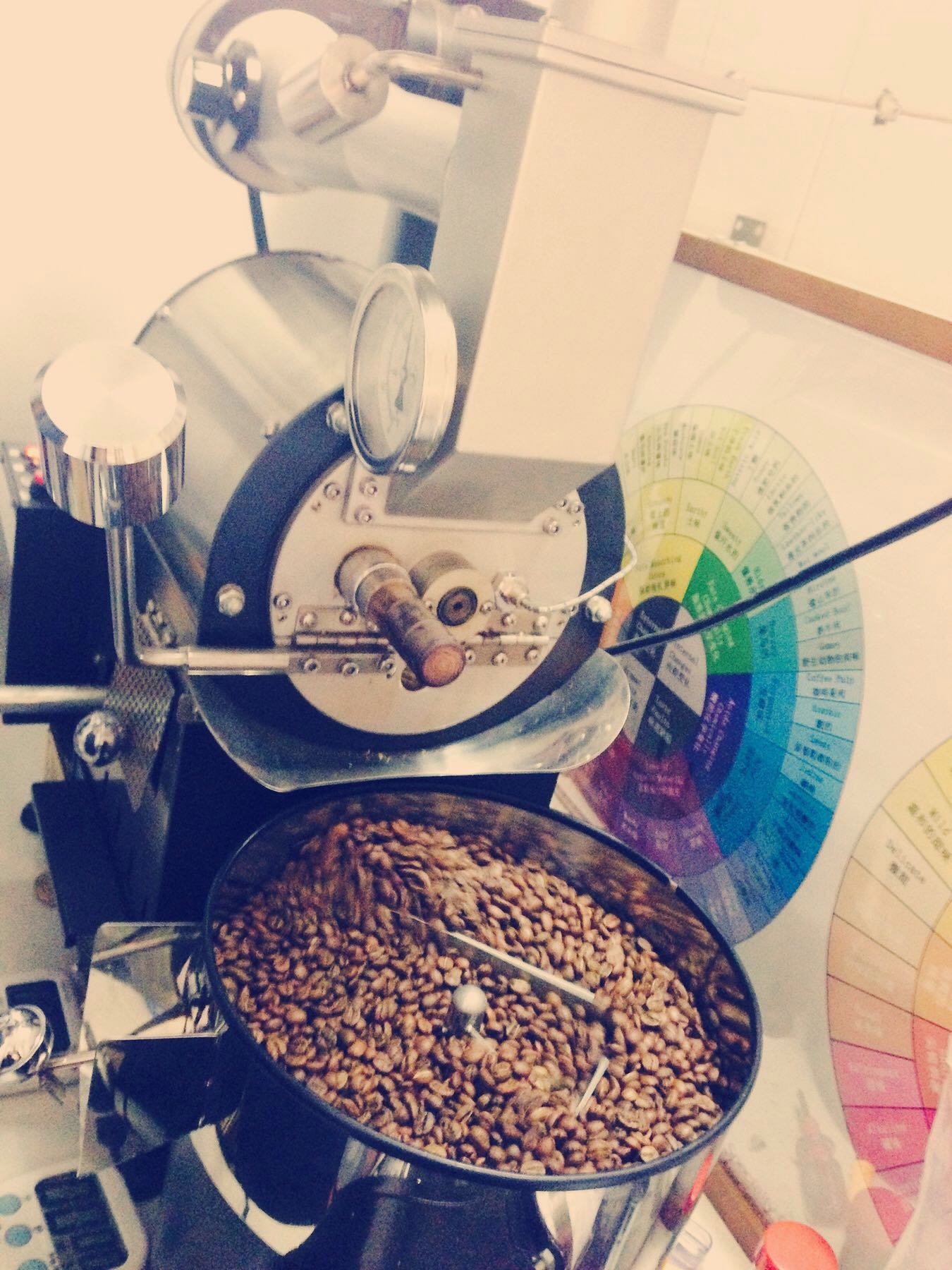
Key points of coffee roasting techniques: basic chemical reactions that take place during coffee roasting
Basic chemical reactions that occur during coffee roasting author: Carl Staub originates from the SCAA baking color classification system, developed by Agtron SCAA 1995 original text from: http://www.sweetmarias.com/roast.carlstaub.html translation: Grant, http://www.baristacn.com/forum/thread-1583-1-1.html in the roasting process

Introduction to Coffee knowledge Learning | beginner's introduction to Coffee Culture and knowledge Learning
Professional coffee knowledge exchange more coffee bean information please follow the coffee workshop (Wechat official account cafe_style) 1. It is rumored that the most widely accepted theory is that an Ethiopian shepherd named Kaldi became extremely excited when he discovered that his sheep had eaten ripe coffee beans. two。 A coffee tree can live for as long as 200 years. There is a newly germinated coffee at the top.
The basic chemical reaction that occurs during coffee roasting. The ingredients produced by the degree of coffee roasting.
Basic chemical reactions that occur during coffee roasting author: Carl Staub originates from the SCAA baking color classification system, developed by Agtron SCAA 1995 original text from: http://www.sweetmarias.com/roast.carlstaub.html translation: Grant, http://www.baristacn.com/forum/thread-1583-1-1.html in the roasting process

[18 pieces of cold knowledge about coffee]
60% of a good cup of coffee depends on the quality of raw beans. As a coffee practitioner, we should open up the pattern and learn more about the whole link of "From Seed To Cup" as much as possible. This is helpful to the link you are engaged in. After all, bakers bake according to beans, while baristas brew through beans and baking ideas. We know that scientists have made raw beans from coffee.

Did you drink the "king of medicine" coffee right? How to drink coffee powder is the healthiest?
Professional coffee knowledge exchange more coffee bean information please pay attention to the coffee workshop (Wechat official account cafe_style) hand-brewed coffee powder to water ratio-coffee powder how to drink coffee, it is not excessive to say that it is the soul mate of modern people. Everyone has a cup of coffee, has become a wake-up morning scenery; at noon, colleagues meet to buy a cup of coffee sip, fight for the afternoon; occasionally